
Jun 26, 2026News & Insights
How to Choose Pool Lighting?
Human resource management is undergoing profound digital transformation, from recruitment to performance management, with every aspect embracing new technologies.
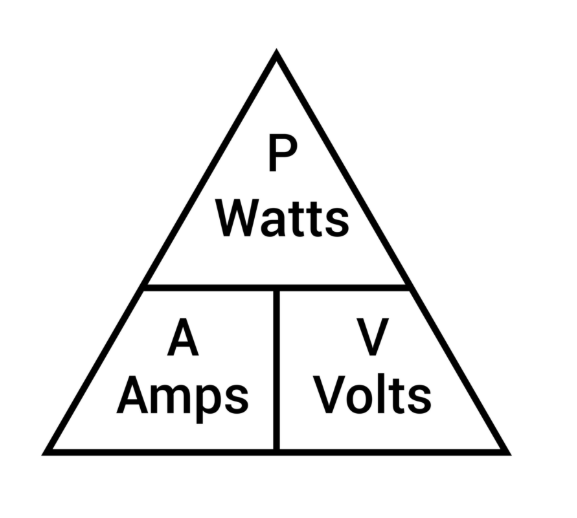
How to Choose a Suitable Pool lighting? By watts or lumens?
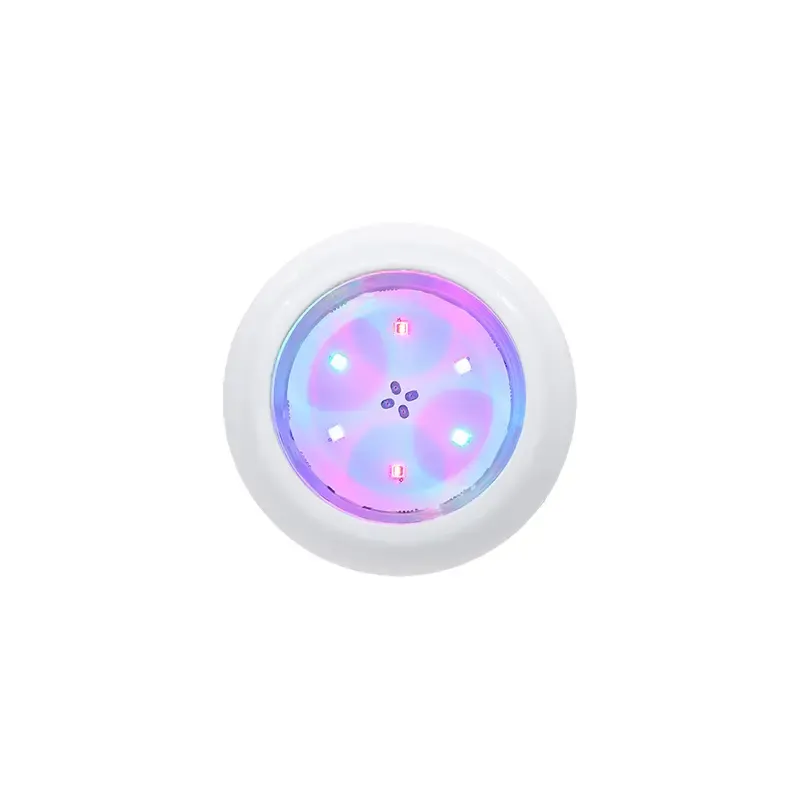
In terms of electrical systems and pool lighting, Power is defined as the rate at which energy is generated or consumed. It is measured in Watts (W), a unit named after James Watt that represents one joule of work per second.
Key Insights for Pool Lighting:
- Consumption Rate: Wattage indicates how much electricity a light consumes per hour of use.
- Operating Costs: Higher wattage directly correlates to higher electricity consumption and increased long-term utility costs.
- Power vs. Energy: While Watts measure the instantaneous rate of power, Watt-hours measure the total energy used over time.
- Technical Calculation: In basic electrical terms, Power is the product of Voltage and Current.
-
For example, a high-efficiency 30W LED can produce the same amount of light as a 300W incandescent bulb, despite using 90% less power. Conversely, a 10W LED will often be significantly brighter than a 50W halogen light.
When selecting your pool lights, the key is to look at light output rather than just energy draw. Choosing high-wattage traditional bulbs may provide the brightness you need, but it will also lead to much higher monthly utility bills—a critical factor for large residential or commercial pools that remain illuminated for several hours each night.
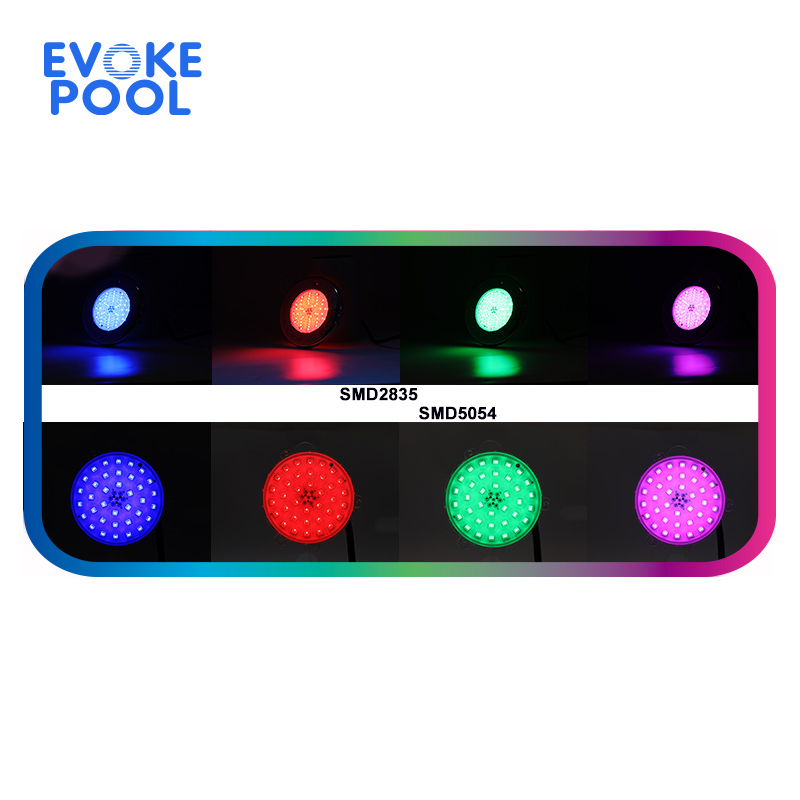
To choose the right pool light, it is essential to distinguish between Watts (energy consumed) and Lumens (light output) [5].
- Efficiency Matters: High-quality LED pool lights achieve 80–120 lm/W, whereas traditional halogen lights only offer 15–30 lm/W.
- Comparative Brightness: A standard 300W incandescent light produces roughly 3,000 lumens, while a modern LED can reach that same brightness using only 30–50 watts.
- Cost Savings: Because LEDs are more energy-efficient, they significantly reduce long-term electricity expenses compared to incandescent bulbs.
- Reliability Considerations: While LEDs offer superior efficiency, some models may have reliability issues and are often non-repairable once they fail.
When upgrading, ignore the "higher wattage" myth and focus on the lumen output to ensure your pool is properly illuminated without unnecessary power waste.